How to Spot Roof Damage After a Wisconsin Storm
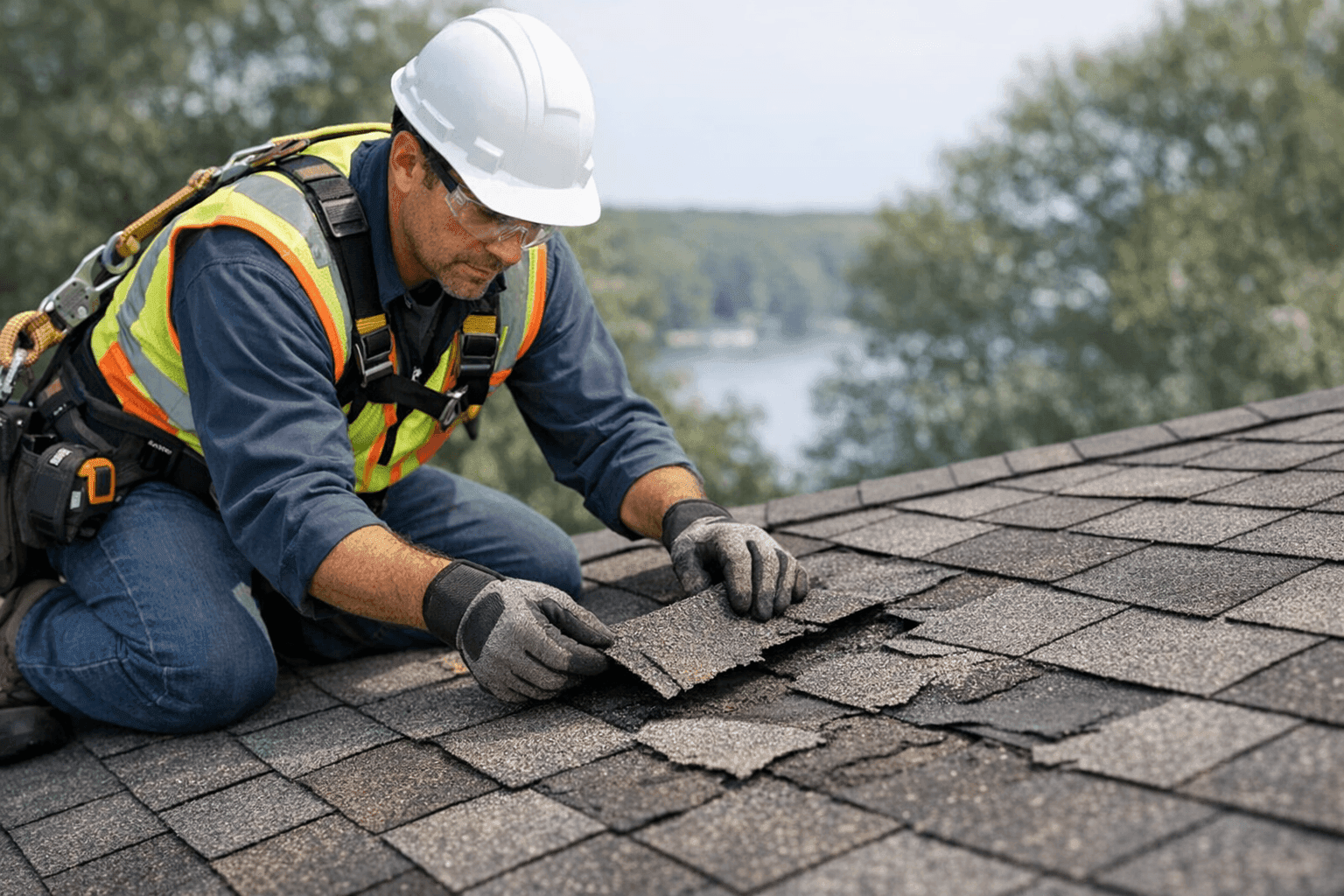
Living in Green Lake, WI means you know storms aren’t just news headlines. They’re real, they’re loud, and sometimes, they leave a mess behind—especially on your roof. After the wind howls and the hail beats down, your home’s first line of defense could be hiding damage you don’t see from the driveway.
At Ripon Area Roofing, we’ve helped families and businesses across Green Lake and beyond recover from everything the Midwest sky throws at us. Let’s break down what to look for after a storm, what to do next, and why a quick response can save you a world of trouble.
Why Storms Wreck Roofs in Green Lake
Thunderstorms, straight-line winds, snow squalls, hail—Wisconsin weather is a mixed bag. Roofs take a beating, and it isn’t always obvious. Even a “minor” storm can loosen shingles or drive water into places you’d never think to check.
A small leak today could mean mold, rot, and costly repairs tomorrow. In Green Lake, we’ve seen everything from flying branches to golf ball-sized hail. The faster you spot damage, the better.
Visible Signs of Roof Damage After a Storm
Not every issue is hidden. Some storm damage is as plain as mud on a boot. Here’s what to look for as soon as it’s safe:
- Missing or curled shingles: Shingles scattered around your yard? Edges curling up? That’s a red flag.
- Dented or loose gutters: Hail can leave pockmarks. Heavy winds may pull gutters out of alignment or loosen fasteners.
- Granule loss: Check your downspouts and the ground for a sand-like buildup—those are the protective granules from your shingles.
- Cracked, broken, or displaced tiles: On tile or metal roofs, look for visible cracks or sections that seem out of place.
- Exposed underlayment: If you see black felt or synthetic wrap peeking out, your shingles have taken a hit.
- Damaged flashing: Metal flashing around chimneys, skylights, or vents might be bent, lifted, or missing.
Take pictures from the ground. Use binoculars if you have them. Don’t climb up if you feel even a little uneasy—safety first.
Attic and Ceiling Checks: Hidden Signs You Can’t Ignore 🕵️
Sometimes, damage only shows itself inside your home. After a storm, don’t just look up—look inside:
- Water stains on ceilings or walls: Brown rings or streaks are often the first clue.
- Dripping or damp insulation: Pop up into the attic with a flashlight. If insulation is wet or there’s a musty smell, water may be getting in.
- Visible daylight: If you see sunlight shining through the roof boards, there’s a gap somewhere.
- Soft or sagging spots: Press gently on your ceiling—if it feels spongy, water may have pooled above.
Document what you see—photos and notes can be invaluable for insurance claims and repairs.
Quick Safety Checklist After a Storm
Before you inspect, make sure you’re not putting yourself or others at risk:
- Wait until the storm has fully passed.
- Avoid stepping on wet or debris-covered surfaces.
- If you see downed power lines or major structural damage, stay clear and call emergency services.
- Use safety gear—non-slip shoes, gloves, and eye protection.
- Never climb on a visibly damaged or unstable roof.
When in doubt, step back and call a local roofing professional.
DIY vs. When to Call a Roofing Professional
Some things are safe to check yourself; others aren’t worth the risk.
DIY Checks:
- Walk your property perimeter.
- Look for missing shingles, fallen branches, and gutter debris.
- Check your attic and ceilings for leaks or staining.
Call a Professional If:
- You suspect hidden damage or can’t safely access the roof.
- There’s active leaking or signs of structural compromise.
- The roof is steep, slippery, or has loose debris.
- You need documentation for insurance.
Ripon Area Roofing’s team is trained to spot issues most homeowners miss. Plus, we know what insurance adjusters are looking for in Green Lake, WI.
What Roofing Pros Do On Arrival
Here’s what you can expect when a professional shows up:
- Thorough inspection: Inside and out, top to bottom.
- Safety first: Harnesses, ladders, and all proper gear.
- Photo documentation: Clear records of damage for you and your insurance company.
- Moisture checks: Using meters and trained eyes to spot leaks.
- Temporary repairs: If water is getting in, a pro can tarp or patch problem areas fast.
- Clear communication: Explaining what’s urgent, what can wait, and what it all means for your roof’s future.
Why Prompt Inspection Matters in Wisconsin’s Climate
Leaving roof damage unchecked is like ignoring a slow leak in your basement—it only gets worse. Here in Green Lake, freeze-thaw cycles, heavy snow, and spring rains can turn a small problem into a big one overnight. Water that seeps in today might freeze and expand tomorrow, widening cracks and weakening your roof structure.
Many roofing warranties (and most insurance policies) require that you act quickly after a storm to prevent further damage. Waiting could mean more out-of-pocket costs and headaches.
What to Document for Insurance Claims 📸
If you plan to file a claim, keep these tips in mind:
- Take clear, time-stamped photos of all visible damage—outside and inside.
- Keep a written log of what you notice and when.
- Save receipts for any emergency repairs or supplies.
- Note the date and details of the storm (news reports can help).
- Don’t throw away damaged materials until your adjuster has seen them.
Insurance adjusters will want evidence of both the storm event and the resulting damage.
The Risks of Waiting
Procrastination can cost you. Here’s why:
- Water damage spreads—mold, rot, stained ceilings, and ruined insulation.
- Insurance may deny claims if prompt action isn’t taken.
- Small cracks open up wider with each freeze-thaw cycle.
- Animals and pests find their way into exposed areas.
- Roof warranties may be voided by neglect.
A quick inspection is your best line of defense.
Prevention & Maintenance: Staying Ahead of the Storm
While you can’t control Wisconsin weather, you can control your roof’s readiness:
- Schedule regular professional inspections—ideally every spring and fall.
- Keep gutters and downspouts clear to prevent water backup.
- Trim back tree branches that could fall or scrape your roof.
- Check attic insulation and ventilation for signs of moisture or mold.
- Address minor repairs before they become major headaches.
Following building codes and manufacturer guidelines helps your roof last longer and perform better.
Costs & Time Factors: What to Expect
Every situation is different, but here’s a rough outline:
- Inspections: Most are completed within a few hours.
- Minor repairs: Can often be done the same day.
- Major repairs or roof replacement: May take several days, especially if special materials are needed.
- Insurance processing: Claims can take days to weeks, depending on documentation and adjuster schedules.
Investing in a timely inspection or repair is almost always cheaper than dealing with the aftermath of a neglected roof.
When It’s an Emergency 🚨
Call for emergency roof repair if:
- Water is actively pouring in.
- Part of your roof is missing or collapsed.
- Electrical hazards are present due to leaks.
- There’s visible, significant structural damage.
Ripon Area Roofing offers emergency response for Green Lake, WI and surrounding communities—24/7 when the worst happens.
FAQ: Roof Damage After Storms
Q: How soon after a storm should I check my roof?
A: As soon as it’s safe. Early inspection can help prevent further damage and speed up insurance claims.
Q: Can I just wait until my roof leaks?
A: Delaying often leads to bigger problems—mold, rot, and denied insurance claims. Act promptly.
Q: Does homeowners insurance cover all storm damage?
A: Most policies cover sudden storm-related damage, but not pre-existing issues or neglect. Check your policy and document everything.
Q: What’s the best way to prevent storm damage?
A: Regular maintenance and prompt repairs are key. Keep your roof, gutters, and attic in top shape.
Local and Seasonal Considerations for Green Lake, WI
Green Lake isn’t just a beautiful place to live—it’s also a magnet for wild Midwest weather. From spring thunderstorms to winter ice storms, our roofs see it all. Local building codes require specific materials and installation methods to withstand these extremes. After a severe storm, many homeowners in Green Lake report issues with windblown shingles, hail-pocked gutters, and ice dam leaks. If you’ve lived here long, you know: the next storm is never far away.
Ripon Area Roofing has responded to countless emergencies in our area over the years. We know what to expect—and how to fix it—because we live here too.
Related Services for Storm Recovery
If you notice damage, take the next step:
Take Action—Don’t Wait for the Next Storm
Your roof protects everything you value. After a Wisconsin storm, a few careful steps can mean the difference between peace of mind and costly repairs. If you need a professional eye—or a fast response—Ripon Area Roofing is here for your home or business, rain or shine.
Call Ripon Area Roofing now — or reach us anytime at (920) 990-2283 .